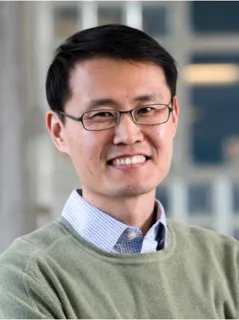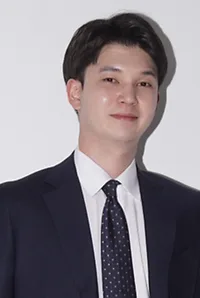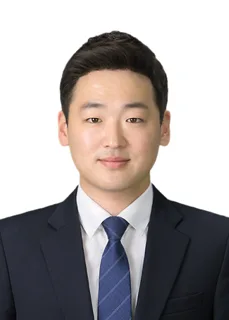
유기준 교수 사진

연세대학교전기전자공학부

바이오일렉트로닉스 (Bioelectornics)

유기준 Associate Professor (Ki Jun Yu)

연구실 소개

이 연구실은 조직과의 탄성률 차이로 생기는 강성 전자소자의 조직 접촉 한계를 줄이기 위해, 웨어러블·이식형 기기에 적용할 유연·신축성 생체적합 전자시스템을 연구합니다. 이식형 신경소자를 활용한 뇌 신호 기록과 자극, 신경회로 분석 및 광유전학 자극의 해상도와 투명성 향상도 다룹니다. 또한 인간-기계 인터페이스, 폐루프 바이오일렉트로닉 의학, AI 기반 지능형 바이오일렉트로닉스와 태양전지를 통한 재생에너지 연구를 진행합니다.

AI가 연구실 홈페이지를 바탕으로 생성한 연구실 소개예요

연구실 홈페이지의 소개

Flexible & stretchable bioelectronics is a technology that has recently become important, and it is essential research for next-generation wearable devices and implantable devices. Flexible & stretchable biocompatible electronic systems in wearable and implantable electronics, are the most important and basic factor for bioelectronics. Conventional rigid system has limitations of inability to form tissue interfaces due to Young’s modulus mismatch, causing poor device capabilities and noises. To overcome this limitations, flexible and stretchable electronics with low modulus with the same or better performance, such as high selectivity and sensitivity, than existing rigid system is being studied. Unraveling complex neural circuits through various modalities is of great value in identifying neurodegenerative diseases in patients with chronic pain. To provide unprecedented cures for patients, brain signal recording and stimulation such as optogenetics with implantable neural device is essential. Key factors for advancing neuroscience include directions for improving the resolution of brain signal recording or stimulation, and the need for transparency for light stimulation in optogenetics. Climate changes and environmental pollution caused by increases in greenhouse gases and fine dust are serious problems owing to burning the fossil fuels. To solve these problems, research on obtaining renewable energy from natural sources, such as water, wind, and the sun is being actively conducted. Among these sources, solar cells are one of the very promising devices that do not produce carbon and other greenhouse gases while producing electricity. Recently, solar cells manufactured from amorphous silicon, organic materials, and perovskites have been largely studied because of their r

원문 보기
연구 분야

Flexible/Stretchable Electronics & emerging semiconductor · Wearable Electronics · Implantable Electronics · Human–Machine Interfaces · Closed-loop Bioelectronic Medicine · AI+X (Physical/Agentic AI Based Intelligent Bioelectronics)

졸업생 진로

기업 5명

삼성전자 3 · 큐알티 1 · LG디스플레이 1

학계 8명

Gachon University 1 · Georgia Institute of Technology 1 · Hankuk University of Foreign Studies 1 · Harvard University 1 · Incheon National University 1 · Texas A&M University 1 · The University of Virginia 1 · Washington University in St. Louis 1

연구기관 1명

한국전기연구원 1

진학 1명

Korea University 1

연구실 홈페이지에 진로가 적힌 졸업생 15명을 AI가 집계했어요. 적히지 않은 졸업생은 빠져 있고, 지금 소속과 다를 수 있어요. 원문 보기

컨택 준비
[email protected]

홈페이지에서 읽은 구성원

  • 박사과정 15명
  • 졸업생 5명
컨택 메일 쓰는 법

정보가 틀렸거나 삭제를 원하시면 [email protected]로 알려 주세요.

비슷한 연구를 하는 연구실