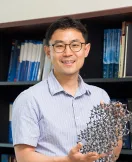
이 연구실은 전력 수급에 따라 연료전지와 수전해 모드로 전환해 전력을 수소로 저장하거나 전력으로 생산하는 고체 전기화학 장치를 연구합니다. 암모니아를 별도의 개질 과정 없이 직접 활용하는 연료전지와, 전기화학 셀을 이용해 암모니아·메탄·에틸렌 등 연료 및 유용 화학물질을 생산하는 기술을 다룹니다. 또한 촉매를 활용해 폐폴리에틸렌을 메탄, 연료유, 왁스 등 고부가가치 화학물질로 전환하는 공정을 연구합니다.
AI가 연구실 홈페이지를 바탕으로 생성한 연구실 소개예요
연구실 홈페이지의 소개
We aim to implement a solid-state electrochemical device capable of transitioning between two modes: as a fuel cell and an electrolysis cell. During periods of surplus electricity on the grid, it can efficiently convert electrical energy into hydrogen through the electrolysis mode. Conversely, when there is an electricity deficit, it seamlessly shifts into fuel cell mode to generate power, effectively contributing to grid stability and the efficient integration of renewable energy sources. We aim to create a fuel cell that can directly harness the potential of the next-generation hydrogen carrier, ammonia, eliminating the necessity for supplementary reforming procedures. Ammonia exhibits the remarkable property of easy liquefaction at moderate pressure and ambient temperature, along with one of the highest gravimetric and volumetric hydrogen densities among carbon-free energy carriers. These exceptional attributes position it as an optimal fuel for both transportation and on-demand electricity generation. We aim to achieve efficient production of a wide range of high-value fuels, including but not limited to ammonia, methane, ethylene, aromatics, using electrochemical cells. Additionally, we plan to employ a hybrid device that incorporates alkaline electrochemical cells, enabling the simultaneous generation of hydrogen and valuable chemicals such as aldehydes, acids, and formate. We aim to pioneer an innovative process technology that leverages supported catalysts for the efficient and selective transformation of waste polyethylene into a spectrum of high-value chemicals, including methane, butane, gasoline, diesel, wax, lubricants, and more, all achieved with exceptional efficiency and selectivity. Additionally, we aspire to integrate this process into a high-efficienc
Stabilization of (Electro-)Chemical Catalysts · Design and Fabrication of Highly Active (Electro-)Chemical Catalysts · Advancing High-performance Hydrogen Energy Devices through Material Insight · Energy & Environmental Materials
학계 11명
단국대학교 1 · 아주대학교 1 · 한밭대학교 1 · 성균관대학교 1 · 서울시립대학교 1 · 성신여자대학교 1 · Ecole Polytechnique Fédérale de Lausanne 1 · Nantong University 1 외 3곳
진학 1명
한국과학기술원 1
연구실 홈페이지에 진로가 적힌 졸업생 28명을 AI가 집계했어요. 적히지 않은 졸업생은 빠져 있고, 지금 소속과 다를 수 있어요. 원문 보기
정보가 틀렸거나 삭제를 원하시면 [email protected]로 알려 주세요.
| 연구실 | 대학 | 주요 주제 | 구성원 | 비교 |
|---|---|---|---|---|
에너지 전환 및 촉매 연구실김준혁 교수신생 랩 | 성균관대 | 촉매·수소·연료전지 | 9 | |
전기화학공정 연구실이건희 교수신생 랩모집 안내 | 서울대 | 4 | ||
에너지 및 환경 전기화학 실험실권영국 교수 | UNIST | 촉매·수소·연료전지 | 7 | |
Advanced Catalysis and Reaction Engineering (ACRE) Lab노인수 교수모집 안내 | 고려대 | 촉매·수소·연료전지 | 11 | |
Energy Conversion & Storage Materials Lab조은애 교수 | KAIST | 촉매·수소·연료전지이차전지·배터리 | – | |
최민기 연구실최민기 교수 | KAIST | 촉매·수소·연료전지고분자나노소재 | 11 |