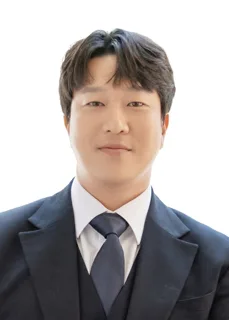
김장우 교수 사진

서울대학교전기정보공학부

고성능 컴퓨터 시스템 연구실

김장우 교수 (Jangwoo Kim)

연구실 소개

이 연구실은 고성능 서버에서 여러 장치를 효율적으로 제어하고 장치 간 통신 지연을 줄이는 컴퓨터 시스템 구조를 연구합니다. 또한 FPGA 기반 처리를 활용해 SSD 배열의 데이터 관리와 중복 제거를 수행하는 저장 서버 구조를 연구합니다.

AI가 연구실 홈페이지를 바탕으로 생성한 연구실 소개예요

연구실 홈페이지의 소개

Device orchestration [MICRO’15, ISCA’18]. Modern high-performance servers aim to achieve high performance by exploiting a large number of high-performance devices (e.g., NVMe SSDs, 100GbE NICs, GPUs, AI accelerators) installed in a single server. Such examples include datacenter servers, SSD-array storage systems, and accelerator-array AI training servers. But, such servers suffer from the host-CPU’s high bandwidth requirement and device-control latency for orchestrating a large number of fast devices simultaneously. Our DCS architecture effectively resolves the problem by introducing DCS-Engine, a fast and scalable FPGA-based device orchestration device. On behalf of the host-side CPU and OS, DCS Engine manages all data and control paths among devices at the hardware level. In this way, a DCS server can significantly reduce the latency of inter-device communications, while bypassing the host CPUs mostly. In addition, by providing near-device processing (NDP) units on DCS Engine, a DCS server can further improve the overall performance and scalability. Storage server [HPCA’19, MICRO’19]. Modern storage servers aim to achieve high performance by deploying a number of SSDs on a single server. But, their performance, scalability, and cost-effectiveness highly depend on the cost of host CPUs and the data storage devices’ data reduction rate. To resolve the issues, we build CIDR and FIDR which are two DCS-inspired, fast, and scalable SSD-array supporting storage server architectures. Our DCS-inspired storage servers (1) offload the NDP-friendly operations from the host CPUs to FPGAs and (2) have them cooperatively manage the storage devices and deduplicate the data. AI training server [MICRO’20]. Modern AI training servers aim to achieve high training performance by deployin

원문 보기
연구 분야

CPU · 서버 및 데이터센터 설계 · 시스템 모델링 및 시뮬레이션 · 데이터센터/클라우드 컴퓨터 시스템 · 뉴로모픽 컴퓨터 시스템 · 초저온 컴퓨터 시스템 · 컴퓨터 구조 · 시스템 설계

졸업생 진로

기업 13명

MangoBoost 6 · 삼성전자 2 · Meta 2 · 네이버 1 · Google 1 · TikTok 1

학계 6명

성균관대학교 2 · 연세대학교 1 · 한양대학교 1 · Kyushu University 1 · Tsinghua University 1

연구기관 1명

금융보안원 1

연구실 홈페이지에 진로가 적힌 졸업생 20명을 AI가 집계했어요. 적히지 않은 졸업생은 빠져 있고, 지금 소속과 다를 수 있어요. 원문 보기

컨택 준비
[email protected]

홈페이지에서 읽은 구성원

  • 구성원 41명
컨택 메일 쓰는 법

정보가 틀렸거나 삭제를 원하시면 [email protected]로 알려 주세요.

비슷한 연구를 하는 연구실